22 May 2026
Mapping the Connection Between Deposit Options and Strategic Advantages in International Freeroll Events
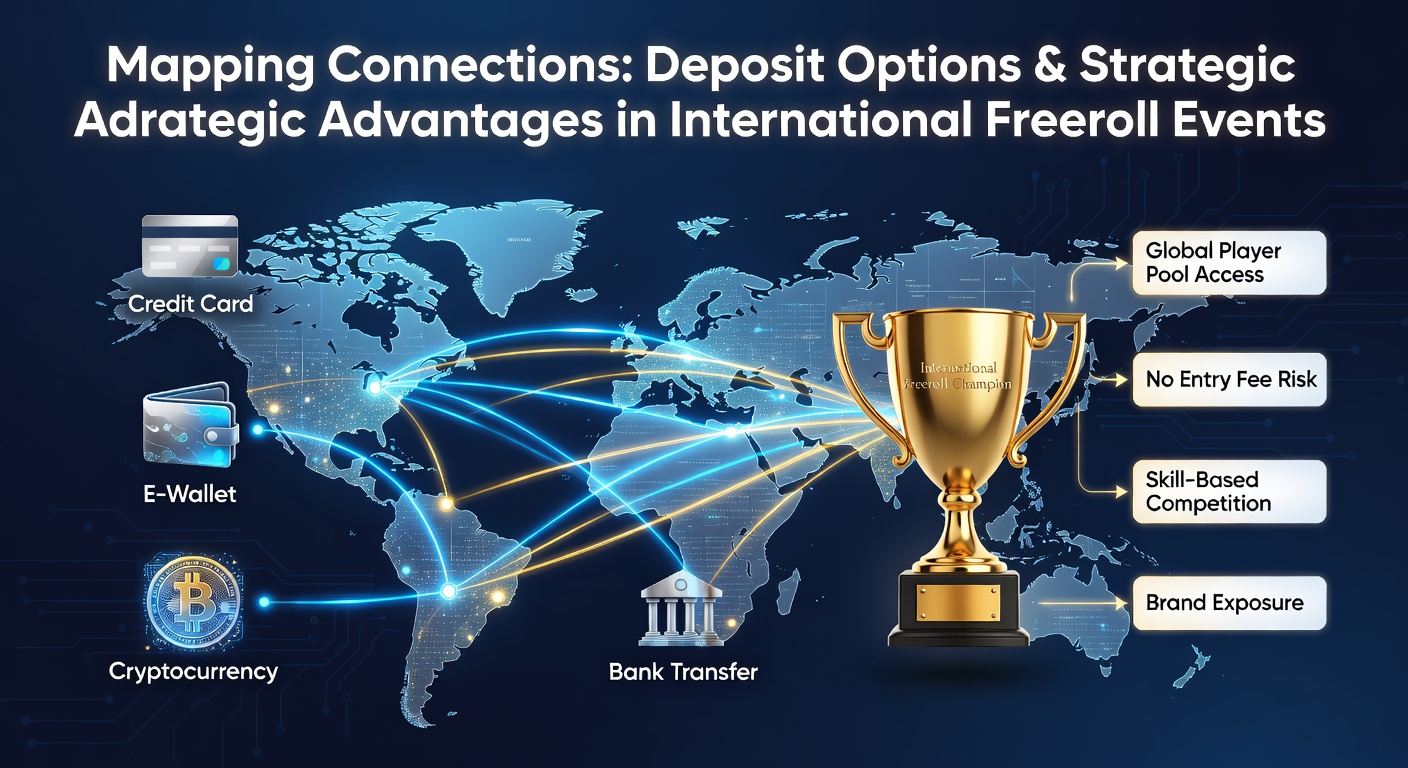
International freeroll events continue to draw participants from multiple continents because they offer prize pools without requiring upfront buy-ins, yet deposit options often determine who gains access to exclusive qualifiers and bonus structures tied to those events. Platforms hosting these tournaments frequently link funding methods to eligibility rules, processing speeds, and reward multipliers that affect overall participation strategies across regions.
Deposit Methods and Their Role in Freeroll Access
Players fund accounts through credit cards, e-wallets, bank transfers, and digital currencies, while each method carries distinct verification timelines and fee schedules that influence entry into international freerolls. Data from industry tracking services shows that e-wallet deposits often clear within minutes, allowing participants to meet same-day registration windows for qualifiers that feed into larger prize events scheduled throughout May 2026.
Bank transfers, by contrast, typically require one to three business days for confirmation, which can delay access to deposit-triggered freeroll seats in time-sensitive series. Observers note that platforms adjust these timelines based on regional banking regulations, creating advantages for users who select faster methods when competing across borders.
Strategic Timing and Regional Processing Differences
Payment processors in Europe and North America apply varying compliance checks that alter how quickly funds become available for tournament registration. Research from academic centers studying digital transaction patterns indicates that cryptocurrency deposits bypass some traditional verification steps, enabling quicker entry into freerolls hosted on platforms serving Asia-Pacific markets.
Those who coordinate deposit choices with event calendars often secure spots in preliminary rounds before others complete funding, especially when series announce limited qualifier fields. Figures from transaction analytics firms reveal higher completion rates for mobile wallet users during peak registration periods leading into major international stops.
Bonus Structures Linked to Funding Choices
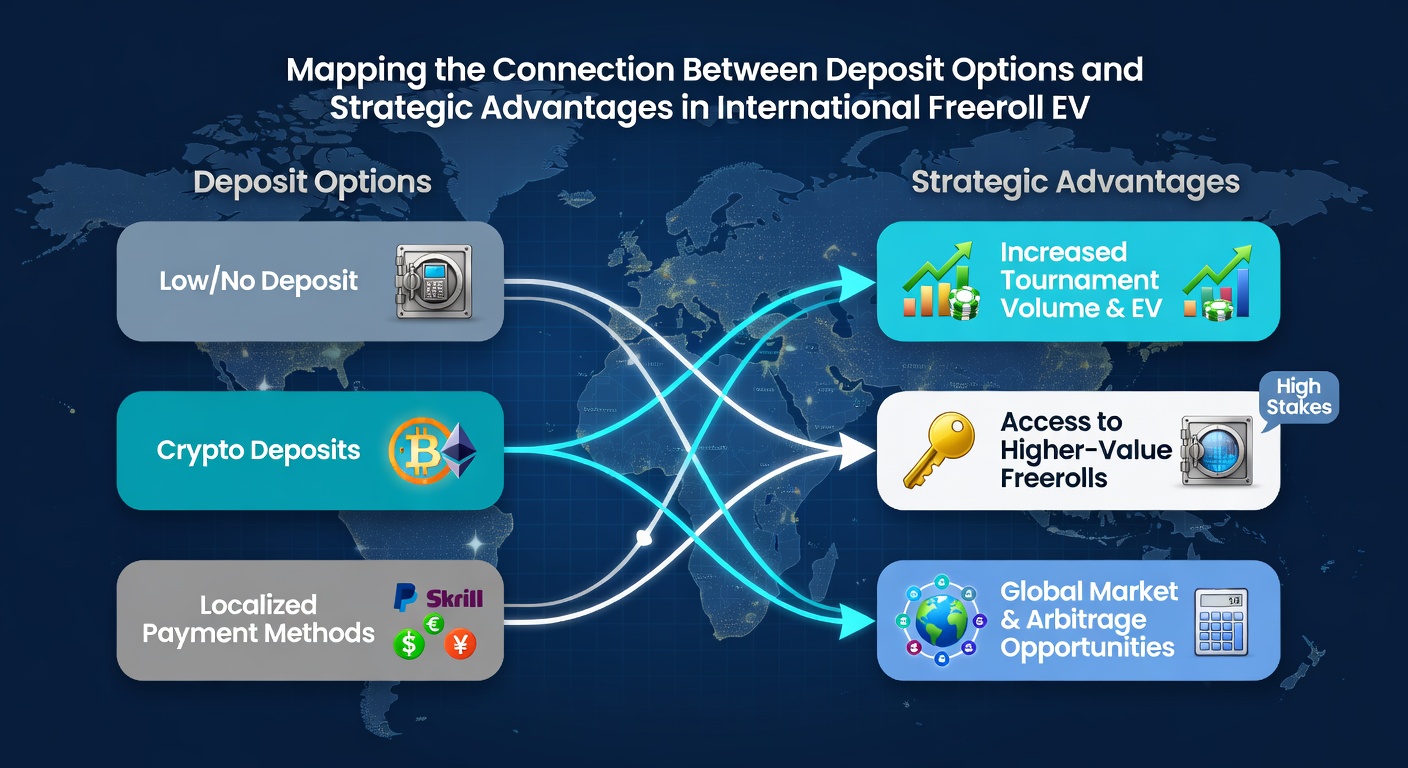
Many operators tie deposit bonuses directly to freeroll participation credits, where the funding method determines the size and release schedule of those credits. Credit card deposits sometimes unlock larger initial bonuses that convert into additional freeroll tickets, whereas certain e-wallet providers offer fee-free transfers that preserve more of the deposited amount for tournament play.
Industry reports compiled by gaming associations document cases where players using specific regional payment gateways received multiplier rewards, extending their reach into satellite events that lead to flagship international freerolls. These connections appear most pronounced in markets with established digital payment infrastructure.
Accessibility Across Jurisdictions
Regulatory frameworks in Canada and Australia shape which deposit options platforms can promote for freeroll access, with authorities requiring clear disclosure of processing fees that affect net bankrolls. Participants who review these disclosures before selecting methods reduce unexpected deductions that shrink available funds for travel or additional entries.
Cross-border players often compare local banking rules against platform policies to identify the most efficient funding route, particularly when events span multiple time zones and registration deadlines. Evidence from transaction studies suggests that integrated payment solutions reduce friction in these scenarios, supporting consistent participation rates.
Case Patterns in 2026 Tournament Cycles
During May 2026, several international series incorporated deposit-linked qualifiers that rewarded users of verified digital wallets with priority seating. Tracking data from those cycles shows elevated activity from regions where instant transfer options aligned with daily freeroll schedules, resulting in broader geographic representation in final tables.
One documented pattern involved participants who alternated between two approved methods to maximize both speed and bonus eligibility, a tactic observed across multiple platform ecosystems. Such approaches highlight how deposit selection functions as a tactical layer rather than a simple administrative step.
Conclusion
The interplay between deposit options and freeroll advantages centers on processing speed, bonus eligibility, and regulatory alignment that varies by region and platform. Players who map these factors against event calendars position themselves for repeated access to qualifiers and associated rewards throughout the international schedule. Continued monitoring of payment ecosystem changes will likely refine these connections as new methods emerge and regulations evolve.