Global Oversight Updates Transform Freeroll Qualifications and Reward Structures in Mobile Poker Ecosystems
Carlo Zimmermann · Aug 18, 2026
Global Oversight Updates Transform Freeroll Qualifications and Reward Structures in Mobile Poker Ecosystems
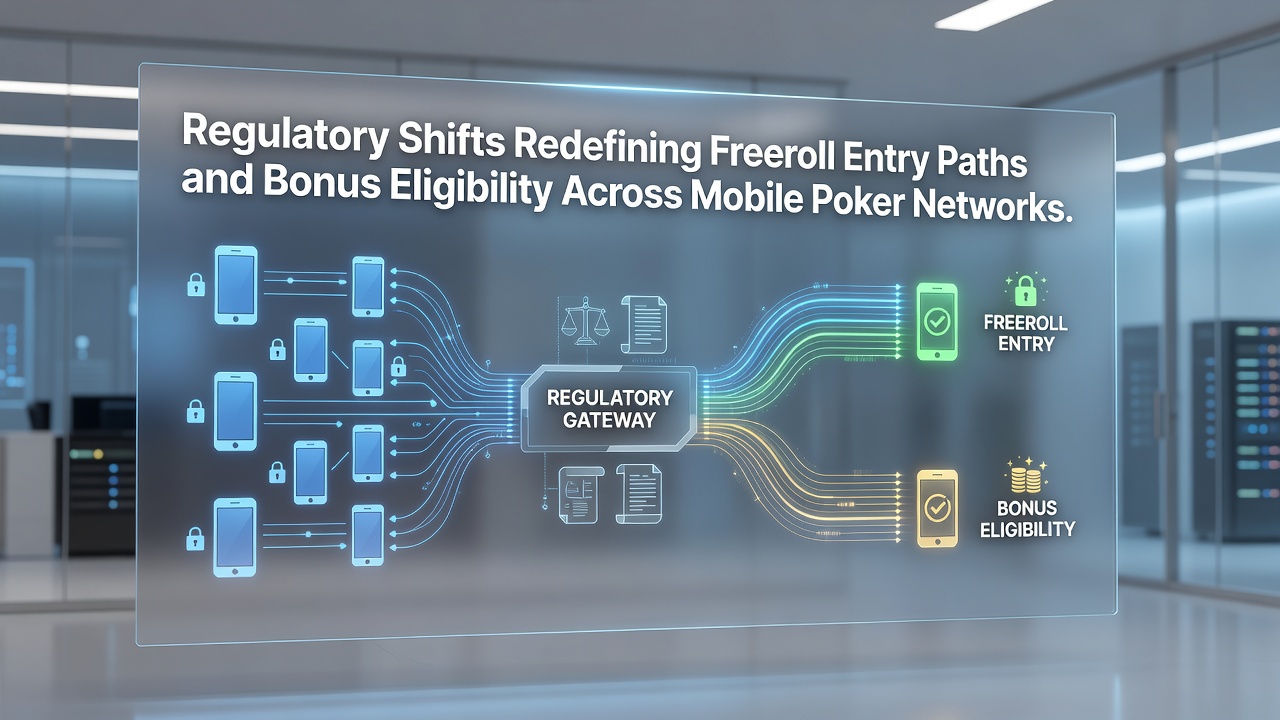
Regulatory bodies across multiple jurisdictions have introduced new compliance layers that directly influence how players enter freerolls and qualify for bonuses on mobile poker platforms, and these adjustments continue to unfold through August 2026. Operators must now align their systems with updated verification protocols that tie account activity to regional licensing standards, which in turn affects eligibility pathways for no-deposit events and promotional rewards. Data from licensing authorities shows that platforms operating in multi-jurisdictional environments face stricter player authentication rules, and this has prompted several networks to revise their entry criteria for freerolls that previously allowed broader participation from new users.
Regional Licensing Adjustments and Their Reach
Authorities in North America and Europe have coordinated on cross-border data sharing agreements that require mobile poker operators to verify player locations more rigorously before granting access to bonus-eligible tournaments. The New Jersey Division of Gaming Enforcement maintains records indicating that such measures reduced unauthorized entries by significant margins in the first half of 2026, while similar frameworks in other states have prompted operators to segment their user bases according to local rules. Those who manage platforms report that these changes have led to the creation of region-specific freeroll pools, and this segmentation ensures compliance without halting event schedules entirely.
Meanwhile, regulators in Australia have updated their digital gaming guidelines to include mobile-specific bonus disclosure requirements, and operators must now display eligibility conditions clearly within app interfaces. This shift has encouraged networks to standardize their reward structures across borders, whereas previously fragmented rules allowed varying bonus terms depending on user origin. Observers note that these disclosures help players understand qualification steps upfront, and they reduce instances where accounts face sudden restrictions mid-promotion.
Freeroll Entry Path Modifications
Freeroll tournaments on mobile networks traditionally relied on simple registration or minimal playtime thresholds, yet recent oversight changes have introduced mandatory identity checks and spending history reviews for many events. Platforms have responded by implementing tiered entry systems that grant access based on verified activity levels rather than open invitations, and this approach aligns with directives from bodies like the Malta Gaming Authority. One network adjusted its August 2026 schedule to require prior deposit confirmation for certain freerolls, and data indicates this change maintained event sizes while satisfying audit requirements.
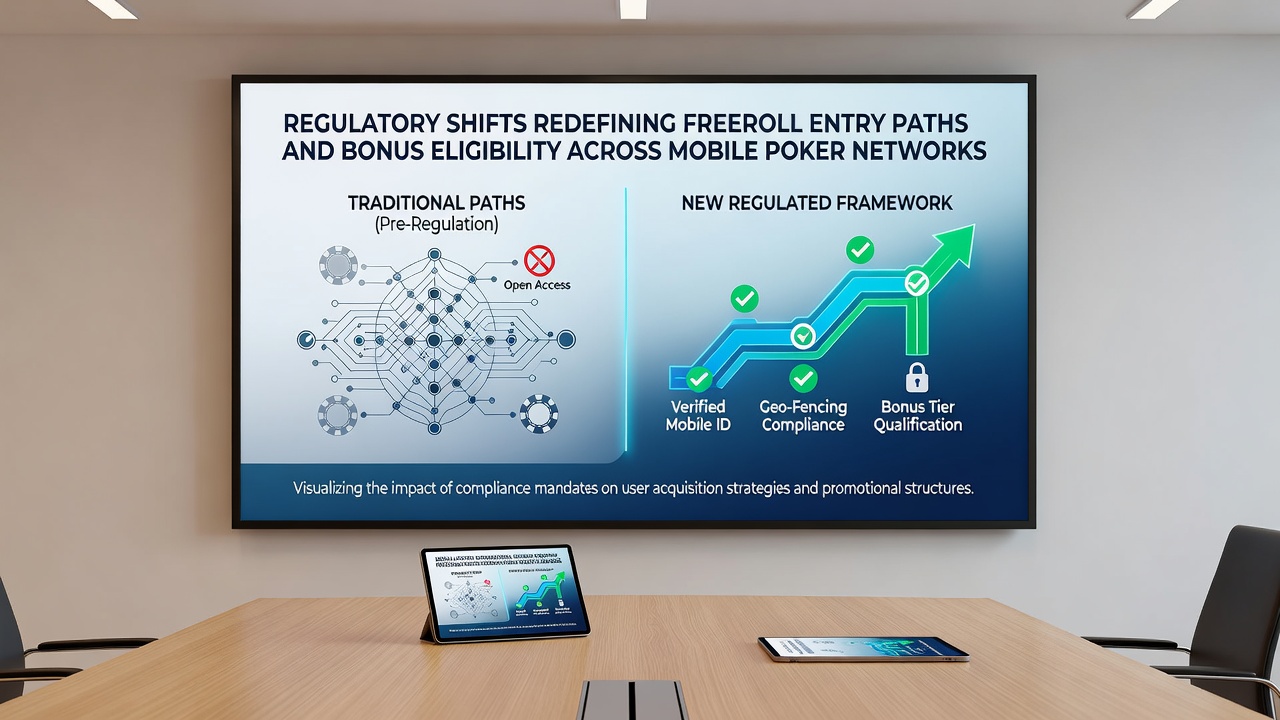
Players in affected regions have encountered new verification steps during signup flows, and these steps often involve linking government-issued documents to app profiles before freeroll registration completes. Research from industry tracking services reveals that such protocols have shifted participation patterns, with verified users maintaining steady involvement while unverified accounts encounter delays or exclusions. Operators have introduced in-app guides that outline these paths, and they connect directly to regional regulatory portals for real-time status checks.
Bonus Eligibility Revisions Across Networks
Bonus programs tied to mobile poker activity now incorporate dynamic eligibility flags that update according to ongoing compliance audits, and this replaces static reward schedules that once applied uniformly. Networks must track player behavior against updated risk profiles, which means deposit bonuses and loyalty rewards become available only after certain regulatory milestones are met. Figures from European operators show that these flags have streamlined payout processes because fewer accounts trigger post-event reviews.
What's notable is how these revisions intersect with payment method approvals, and several platforms now limit bonus participation to users who fund accounts through licensed channels. This measure stems from directives aimed at preventing money laundering risks, and it has prompted networks to expand supported transaction options while maintaining audit trails. Those managing compliance teams explain that integrated tracking tools help monitor these conditions without interrupting gameplay flows for eligible participants.
Platform Responses and Implementation Patterns
Mobile poker providers have deployed software updates that embed regulatory checks into the user journey, and these updates include automated alerts when eligibility criteria shift for upcoming freerolls. In practice, this means a player who qualified under older rules may need to complete additional steps before the next event opens, and networks provide clear timelines for these transitions. Reports from trade associations highlight that operators who adopted these systems early experienced fewer disruptions during peak tournament periods in 2026.
Collaboration between networks and licensing bodies has also produced shared databases that flag accounts with compliance issues across platforms, and this reduces duplicate entries in bonus programs. Such coordination helps maintain consistent standards without requiring each operator to rebuild verification from scratch, and it supports smoother cross-network play where regulations permit.
Conclusion
Regulatory shifts continue to redefine how freeroll entry and bonus eligibility function across mobile poker networks, with changes driven by licensing updates that emphasize verification and transparency. Platforms have adapted through technical integrations and segmented offerings that respect jurisdictional boundaries, and these adaptations have preserved event accessibility for compliant users. As August 2026 progresses, further refinements from oversight bodies may prompt additional adjustments, yet the core pattern remains one of structured alignment between operator systems and regulatory expectations.