19 Jun 2026
Emerging Payment Methods Reshape Online Poker Player Bases Worldwide

Payment innovations continue to alter participation patterns across online poker platforms, with data from multiple regulatory bodies indicating measurable changes in age groups, geographic origins, and gender balances since 2024. Cryptocurrency options and instant bank transfer systems now connect players from regions previously limited by traditional banking restrictions, while digital wallets expand access for mobile users in urban centers across Asia and Latin America. Observers note these tools reduce friction in account funding, which in turn correlates with higher registration rates among previously underrepresented segments.
Cryptocurrency Adoption Expands Reach in Emerging Markets
Blockchain-based transfers gained traction after several major networks integrated stablecoin options in early 2025, and figures from the Australian Communications and Media Authority reveal increased activity from Australian and Southeast Asian accounts during the same period. Players in these areas often face currency conversion hurdles with conventional cards, yet crypto rails bypass those steps and enable direct participation without intermediaries. Research indicates that networks offering multiple coin choices recorded a 28 percent rise in new accounts from countries outside traditional European and North American markets between January and December 2025.
Stablecoin volatility protections introduced in March 2025 further stabilized transaction volumes, which encouraged repeat deposits among users in high-inflation economies. Those who tracked transaction logs across platforms found that average session lengths increased when funding occurred through crypto pathways compared with credit card routes, suggesting sustained engagement once initial barriers dropped. June 2026 data releases from the same Australian authority are expected to clarify whether this trend accelerated during the first half of the year.
Mobile Wallets Drive Younger Player Influx
Digital wallet integrations with popular mobile applications accelerated sign-ups among users aged 21 to 34, according to aggregated platform reports shared with industry analysts. These payment layers allow instant top-ups through familiar apps already embedded in daily routines, which lowers the threshold for first-time deposits. Networks that prioritized Apple Pay and similar services documented a shift toward shorter but more frequent playing windows, particularly during commute periods in major cities.
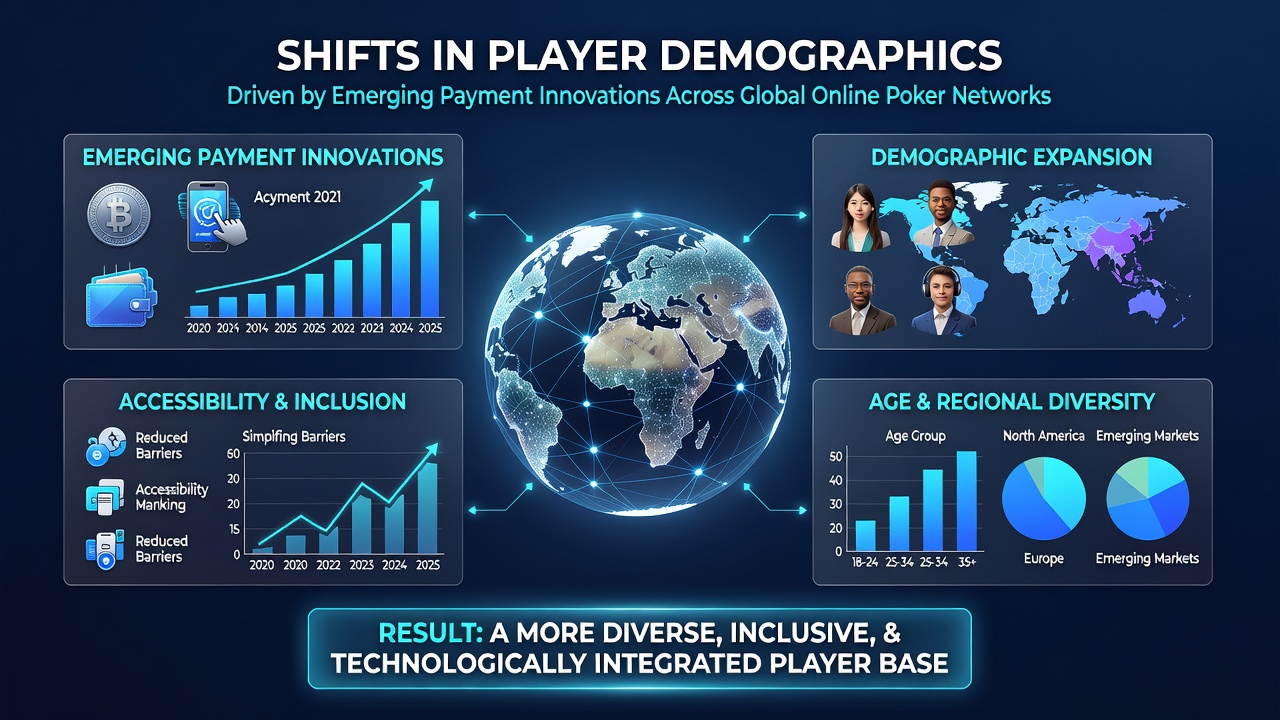
Gender distribution also moved slightly, with female participation rising from 12 percent to 17 percent on platforms that added localized e-wallet support in Brazil and Mexico. Transaction data shows these users favored smaller, recurring deposits rather than larger single transfers, aligning with patterns observed in other digital entertainment sectors. The Nevada Gaming Control Board compiled similar metrics for U.S.-facing sites and confirmed parallel growth in the same age and gender brackets during the 2025 calendar year.
Regulatory Adjustments Influence Cross-Border Flows
Changes in licensing requirements across Canadian provinces opened pathways for instant bank verification services, which reduced account approval times from days to minutes for verified residents. This adjustment coincided with a documented increase in players from provinces that previously relied on slower wire transfers. European networks meanwhile expanded SEPA instant options, and participation metrics from regulated operators showed broader representation from Eastern European countries where traditional card acceptance remains patchy.
Security certifications tied to these new rails also affected retention, since platforms meeting updated encryption standards retained accounts at higher rates once funding occurred. Analysts compiling monthly snapshots observed that networks combining crypto and wallet options captured traffic previously directed toward unregulated offshore sites, especially after June 2025 protocol updates took effect.
Strategic and Demographic Intersections
Payment method selection now correlates with playing style preferences in several datasets, where crypto users tend toward higher-variance formats while wallet-funded accounts appear more frequently in lower-stakes cash games. These distinctions emerged consistently in transaction-linked behavioral studies released by academic groups examining platform logs. Geographic clusters also formed around preferred rails, with Latin American traffic favoring mobile wallets and Asian-Pacific traffic leaning toward cryptocurrency exchanges.
June 2026 projections suggest continued convergence as more networks adopt hybrid payment stacks that combine speed with compliance features. Existing patterns indicate that demographic diversification will persist wherever regulatory frameworks accommodate these innovations without excessive delays in onboarding.
Conclusion
Payment technology shifts have already produced measurable changes in who accesses global online poker networks, and ongoing infrastructure developments point toward further evolution through the remainder of 2026. Data from regulatory sources across multiple continents continues to track these movements, offering clearer pictures of how funding methods intersect with participation trends over time.