Cross-border Player Migration Patterns Reshaping Format Innovations in Regulated Card Competition Circuits
Morgan Griffin · Jul 26, 2026
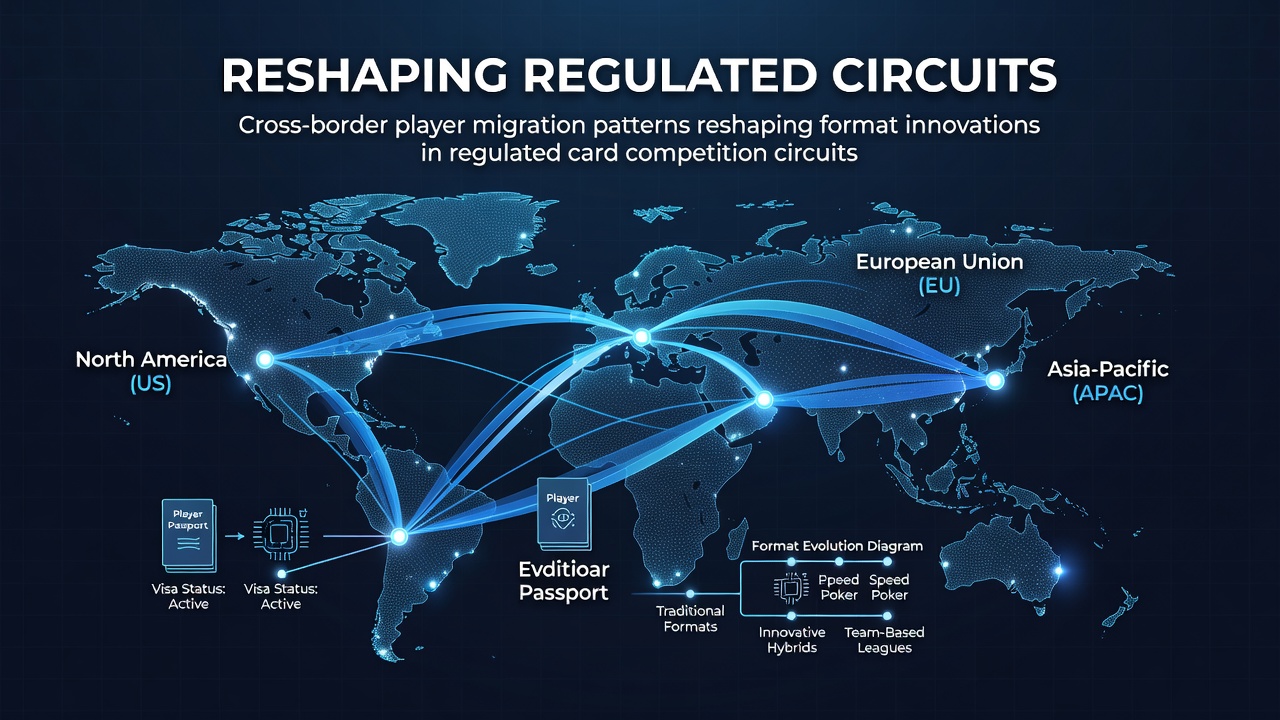
Cross-border Player Migration Patterns Reshaping Format Innovations in Regulated Card Competition Circuits
Cross-border player migration has accelerated in regulated card competition circuits over recent years as participants move between jurisdictions in search of favorable regulatory environments, larger prize pools, and diverse tournament structures. Data from multiple oversight bodies shows increased movement particularly between European, North American, and Asia-Pacific markets, where operators adjust formats to retain these shifting populations.
Tracking Migration Flows in 2026
Figures released by the Nevada Gaming Control Board indicate that international entrants at major Las Vegas series rose steadily through the first half of 2026, while similar patterns emerged in Australian venues following the return of major events at Crown Melbourne. Players frequently alternate between online platforms licensed in Malta and land-based festivals in Canada, creating seasonal spikes that organizers now factor into scheduling decisions. Researchers at the University of Sydney documented these routes in a 2025 study that mapped participation data across multiple licensing regimes, revealing consistent corridors from Latin America into European circuits during summer months.
July 2026 saw several circuits introduce hybrid qualifiers that blend online satellites from one jurisdiction with live final tables in another, a direct response to observed travel patterns. Regulators in Ontario and the Isle of Man both noted higher cross-registration numbers during this period, prompting operators to streamline entry processes for non-residents.
Format Adjustments Driven by Player Movement
Operators have responded by expanding mixed-game rotations and introducing shorter day structures that accommodate jet-lagged competitors arriving from distant time zones. In circuits where migration volumes are highest, formats now incorporate flexible re-entry windows and satellite pathways that allow participants to qualify from their home region before traveling. These changes emerged after data showed that rigid traditional schedules correlated with lower retention among mobile player groups.
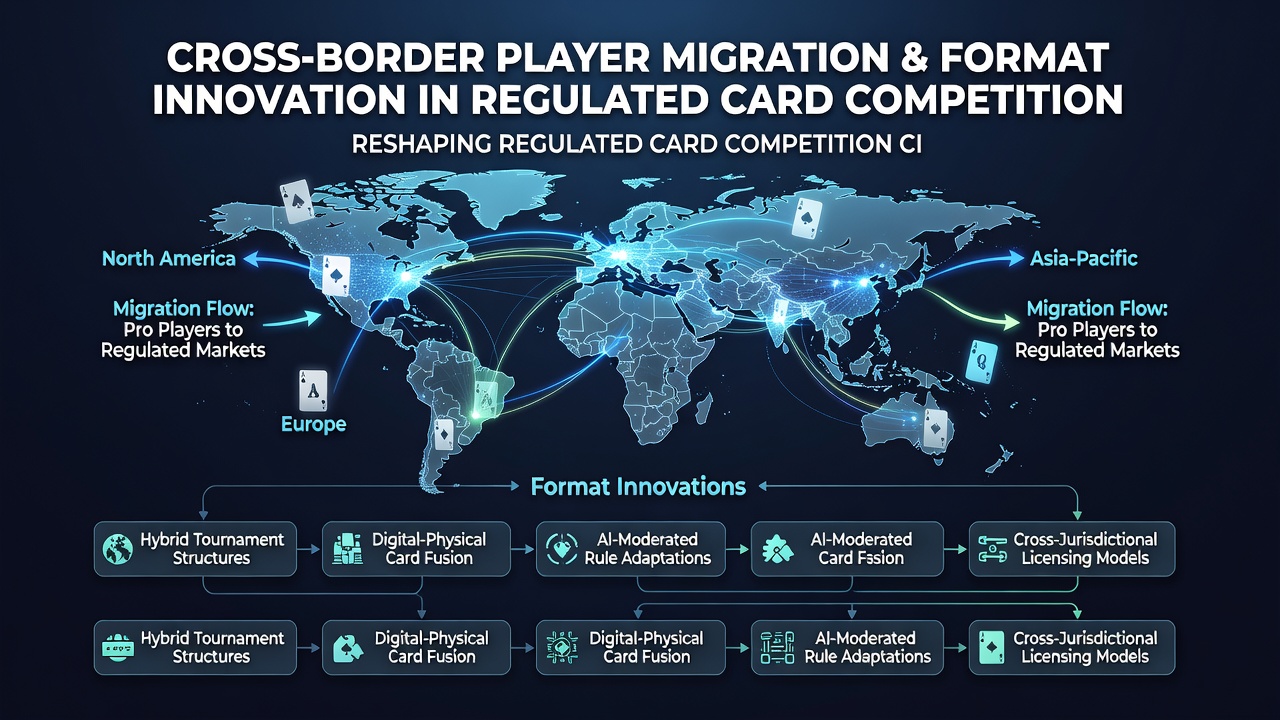
European circuits have introduced staggered start times that align with Asian and South American time zones, while North American series added mid-week side events designed for travelers who cannot commit to full festival durations. According to reports from the European Gaming and Betting Association, these modifications increased participation from cross-border cohorts by measurable margins in the 2025-2026 season. Observers note that formats emphasizing shorter flights and guaranteed min-cashes have gained particular traction among players who compete across multiple continents annually.
Regulatory Coordination and Data Sharing
Regulatory bodies have begun sharing participation statistics to better anticipate format needs. The Alcohol and Gaming Commission of Ontario and the Malta Gaming Authority established data-exchange protocols in early 2026 that track player movement between licensed platforms, allowing organizers to adjust guarantee levels and structure payouts accordingly. Such coordination reduces the risk of overlapping events that previously split migrating populations across competing series.
Industry reports indicate that circuits adopting these collaborative approaches experienced more stable attendance figures even when national entry policies tightened elsewhere. Players moving between regulated markets now encounter more consistent rules regarding bankroll verification and prize disbursement, which further supports continued circulation rather than concentration in single jurisdictions.
Emerging Structures in Response to Observed Trends
Format innovations include region-specific leaderboards that accumulate points across borders, encouraging sustained participation rather than one-off appearances. Several major operators launched these systems in spring 2026 after analyzing migration data that showed high repeat travel among elite competitors. Additional changes involve currency-neutral prize pools and standardized payout structures that minimize conversion friction for international entrants.
These adaptations reflect patterns identified in academic analyses of tournament databases, where researchers found that circuits offering seamless cross-jurisdictional qualification paths retained higher percentages of mobile players over multiple seasons. The result has been a gradual convergence of certain rule sets while still preserving local regulatory distinctions.
Conclusion
Cross-border player migration continues to influence how regulated card competition circuits design and schedule events, with data-driven adjustments becoming standard practice. As participation routes evolve through 2026 and beyond, organizers and regulators maintain focus on format flexibility that aligns with documented movement patterns while operating within each jurisdiction's established framework.